Category: Smart Cities

  • M2M Data Connect Shortlisted for IPC Annual Awards 2025 for WhatsApp EV Charger & Parking Bot

    M2M Data Connect Shortlisted for IPC Annual Awards 2025 for WhatsApp EV Charger & Parking Bot

    M2M Data Connect Group is proud to announce that we’ve been named a finalist at the IPC Annual Awards 2025, recognising our innovative WhatsApp EV Charger & Parking Bot Service. This nomination celebrates our ongoing commitment to advancing IoT connectivity and smart mobility solutions that simplify life for drivers, cities, and businesses.

    Our shortlisted entry represents a major leap in connected mobility. By combining AI-driven automation with reliable machine-to-machine (M2M) IoT SIM connectivity, we’ve created a truly app-free experience. Users can now locate, activate, and pay for EV charging stations and parking spaces directly through familiar messaging platforms such as WhatsApp, Instagram, and Messenger.

    This innovation is powered by our secure, multi-network IoT SIM technology, ensuring constant uptime and seamless data exchange between vehicles, chargers, and cloud platforms. The result is a user-centric system that’s fast, frictionless, and scalable.

    Why It Matters

    In a world moving toward cleaner, smarter transport, our goal is to connect every element of the mobility ecosystem. The WhatsApp EV Charger & Parking Bot empowers users to:

    • Find and activate EV chargers instantly

    • Book and manage parking spaces in real time

    • Receive 24/7 automated support through chat

    • Skip mobile apps and interact via trusted social platforms

    By fusing IoT connectivity with conversational automation, M2M Data Connect is helping cities and businesses deliver greener, more convenient infrastructure for the digital era.

    About the IPC Awards

    The IPC Annual Awards recognise excellence in innovation, technology, and user experience within the transport and parking sectors. Being shortlisted is a reflection of our team’s dedication to pushing the limits of IoT-driven mobility.

    Looking Ahead

    We’re honoured by this recognition and excited to keep expanding our IoT ecosystem, connecting people, vehicles, and infrastructure through secure, scalable, and intelligent networks.
  • Smart IoT Connectivity for Public Transport: Revolutionising Urban Mobility

    Smart IoT Connectivity for Public Transport: Revolutionising Urban Mobility

    Revolutionizing Public Transport with Smart IoT Connectivity

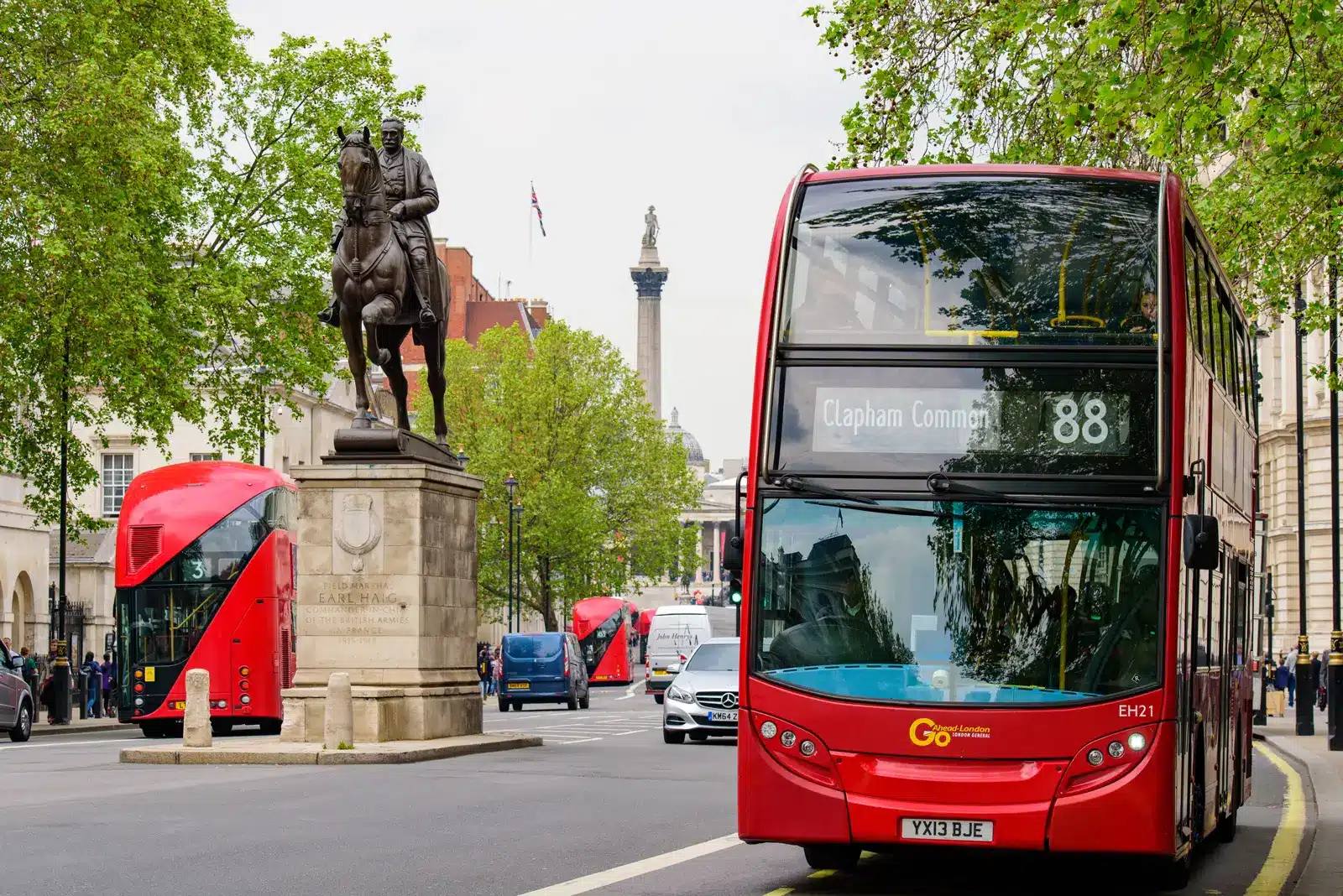
    In an era where cities are becoming smarter and more connected, public transport is undergoing a digital transformation. At the heart of this evolution lies IoT (Internet of Things) connectivity, a game-changer that is reshaping how people move, how systems operate, and how cities function.

    Why IoT in Public Transport?

    Public transport systems are complex networks that require real-time coordination, efficient resource management, and seamless communication. IoT brings intelligence to these systems by connecting vehicles, infrastructure, and control centers through smart sensors, 5G routers, and cloud platforms.

    Get A Quote

    Key Benefits of IoT in Public Transport:

    1. Real-Time Tracking & Monitoring; GPS-enabled IoT devices allow transit authorities and passengers to track buses, trains, and trams in real time. This improves punctuality, reduces wait times, and enhances the overall passenger experience.

    2. Predictive Maintenance; Sensors embedded in vehicles monitor engine health, brake systems, and other critical components. This data enables predictive maintenance, reducing breakdowns and extending vehicle lifespans.

    3. Smart Ticketing & Payments; IoT-enabled fare systems support contactless payments, mobile ticketing, and dynamic pricing models, making travel more convenient and efficient.

    4. Enhanced Safety & Security; Surveillance cameras, emergency alert systems, and driver behavior monitoring tools powered by IoT help ensure passenger safety and reduce incidents.

    5. Eco-Friendly Operations; IoT helps optimize routes, reduce idling, and monitor emissions, contributing to greener, more sustainable urban mobility.

    The Role of 5G in IoT-Driven Transport

    5G connectivity is the backbone of modern IoT deployments. With ultra-low latency and high bandwidth, 5G enables real-time data transmission between vehicles, infrastructure, and control centers—crucial for applications like autonomous buses, traffic signal prioritization, and dynamic rerouting.

    Real-World Applications

    • Smart Bus Stops: Equipped with digital displays, Wi-Fi, and environmental sensors, these stops provide real-time updates and improve commuter comfort.

    • Fleet Management Systems: Transit operators use IoT dashboards to monitor vehicle locations, fuel usage, and driver performance.

    • Connected Trains: High-speed trains use IoT for onboard diagnostics, passenger counting, and infotainment systems.

    Looking Ahead

    As cities continue to grow, the demand for efficient, reliable, and sustainable public transport will only increase. IoT connectivity, powered by 5G, is not just enhancing current systems—it’s laying the foundation for autonomous transit, AI-driven traffic management, and fully integrated mobility ecosystems.


    The future of public transport is smart, connected, and data-driven. By embracing IoT connectivity, cities can unlock new levels of efficiency, safety, and passenger satisfaction—paving the way for a truly intelligent transportation network. Get in touch now to see how we can help!

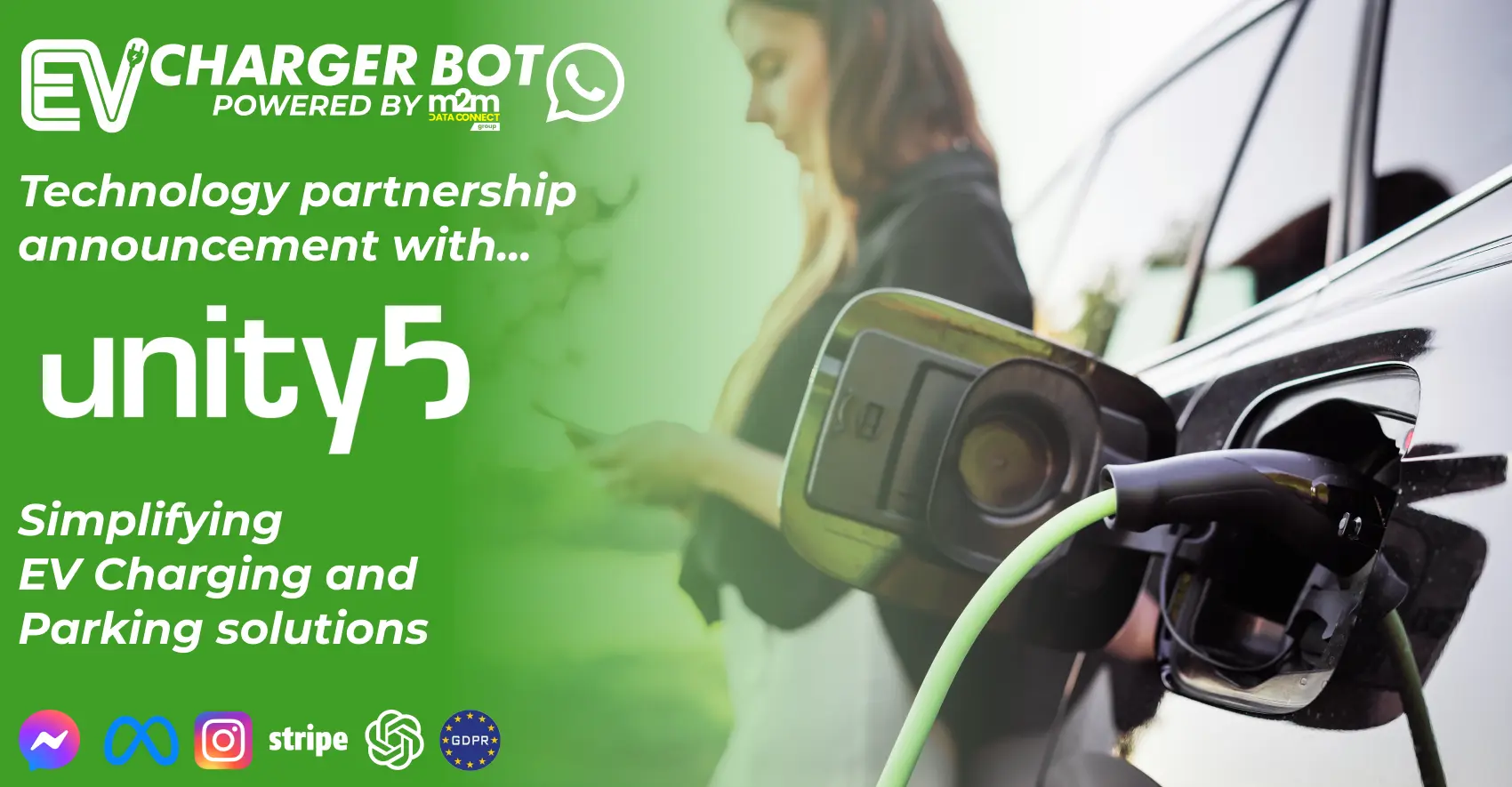
  • Unity5 and M2M Data Connect Launch WhatsApp-Based EV Charging via Zatpark Integration

    Unity5 and M2M Data Connect Launch WhatsApp-Based EV Charging via Zatpark Integration

    Manchester, UK – In a bold step toward smarter, more accessible EV infrastructure, Unity5, the creators of the Zatpark enforcement platform, have announced a strategic integration with M2M Data Connect to introduce WhatsApp-based EV charging and parking management.

    This collaboration brings together Unity5’s powerful enforcement technology and M2M’s cutting-edge omnichannel platform to deliver a seamless, user-friendly experience for EV drivers and parking operators alike. 

    Revolutionising EV Charging with WhatsApp 

    At the heart of this innovation is the M2M WhatsApp EV Charger Bot, a solution that allows drivers to book, pay, and manage EV charging sessions directly through WhatsApp. Powered by AI and integrated with Zatpark’s enforcement ecosystem, this bot simplifies the entire charging process—from locating a bay to completing payment—without the need for additional apps or hardware.  

    Key features include: 

    • Real-time booking and payment via WhatsApp 
    • Integration with Apple Pay, Google Pay, and custom payment gateways 
    • Advanced Bookings; Users can book in advance using site ID 
    • Dynamic Pricing; Operators can offer discounted pricing in quiet hours 

    Solving Real-World Challenges in EV Bay Management 

    Using WhatsApp to pay for EV charging solves key challenges in the sector by making access fast, simple, and universal. Drivers no longer need to download apps or create accounts-just scan, chat, and charge using a familiar platform. Payments are seamless via Apple Pay, Google Pay, or card, and real-time updates keep users informed.  

    For operators, WhatsApp enables automated enforcement, reduces support overhead, and improves bay management. It’s scalable, secure, and ideal for smaller or remote sites. By streamlining the user experience and cutting infrastructure costs, WhatsApp is transforming EV charging into a more inclusive and efficient service. 

    A Future-Ready Partnership 

    This partnership reflects a shared commitment to innovation, accessibility, and sustainability. By merging Unity5’s enforcement expertise with M2M Data Connects omnichannel communication tools, the companies are setting a new standard for EV charging and parking technology. 

    “This integration is a game-changer for EV infrastructure,” said a Unity5 spokesperson. “We’re making enforcement smarter and charging simpler-right from your phone.” 

  • IoT in Emergency Services: How Smart Connectivity Saves Lives

    IoT in Emergency Services: How Smart Connectivity Saves Lives

    Why IoT Connectivity Is Critical for Emergency Services

    In high-stakes situations where every second matters, the Internet of Things (IoT) is revolutionizing emergency services. From reducing response times to enhancing situational awareness, IoT connectivity is becoming a cornerstone of modern emergency response systems. See how IoT can transform your emergency operations – get in touch today.

    1. Real-Time Data for Faster Response

    IoT devices like connected sensors, GPS trackers, and wearable health monitors provide instantaneous data that can be life-saving. For example:

    • IoT integration can reduce emergency response times by up to 35%, enabling faster arrival of ambulances, fire trucks, or police units.

    • Smart traffic systems can automatically adjust signals to clear paths for emergency vehicles.

    2. Enhanced Situational Awareness

    IoT-enabled drones, surveillance systems, and environmental sensors give responders a 360-degree view of emergencies:

    • 80% of EMS agencies report improved dispatch accuracy with IoT-enabled systems, thanks to real-time geolocation and environmental data.

    • Sensors in buildings can distinguish between smoke from cooking and an actual fire, ensuring the right units are dispatched.

    3. Predictive Analytics and Prevention

    IoT allows emergency services to move from reactive to proactive:

    • Remote asset monitoring is the top IoT use case globally, accounting for 34% of deployments.

    • Predictive maintenance and health monitoring can prevent equipment failures or medical emergencies before they escalate.

    4. Resource Optimization

    IoT helps emergency services manage resources more efficiently:

    • Vehicle fleet management and location tracking are among the top five global IoT use cases, each with over 30% adoption.

    • Smart inventory systems ensure critical supplies are always available and track usage in real time.

    5. Improved Communication and Coordination

    IoT enables seamless data sharing across agencies:

    • Unified dashboards aggregate data from multiple sources—sensors, wearables, vehicles—allowing for coordinated, data-driven responses.

    • Automated alerts reduce reliance on human reporting, speeding up decision-making.

    6. Public Safety and Engagement

    IoT empowers citizens and communities:

    • Smart home devices can automatically alert authorities in case of fire, break-ins, or medical emergencies.

    • Wearables can detect falls or abnormal vitals and trigger emergency calls without user input.


    Key Statistics at a Glance

    • 18 billion IoT devices were in use globally in 2024, projected to reach 20.1 billion in 2025

    • IoT can improve emergency response times by 30–40% in smart cities

    • IoT-enabled dispatch systems improve accuracy by up to 80%


    IoT connectivity is not just enhancing emergency services, it’s redefining them. With real-time data, predictive insights, and smarter coordination, emergency responders can act faster, safer, and more effectively. As cities and agencies continue to adopt IoT, the future of emergency response looks not only more connected, but more capable of saving lives. 

    Get A Quote

  • M2M Smart Highways: IoT Multi-Network Traffic Solutions

    M2M Smart Highways: IoT Multi-Network Traffic Solutions

    Building Smarter Highways with M2M Data Connect and Multi-Network IoT Connectivity

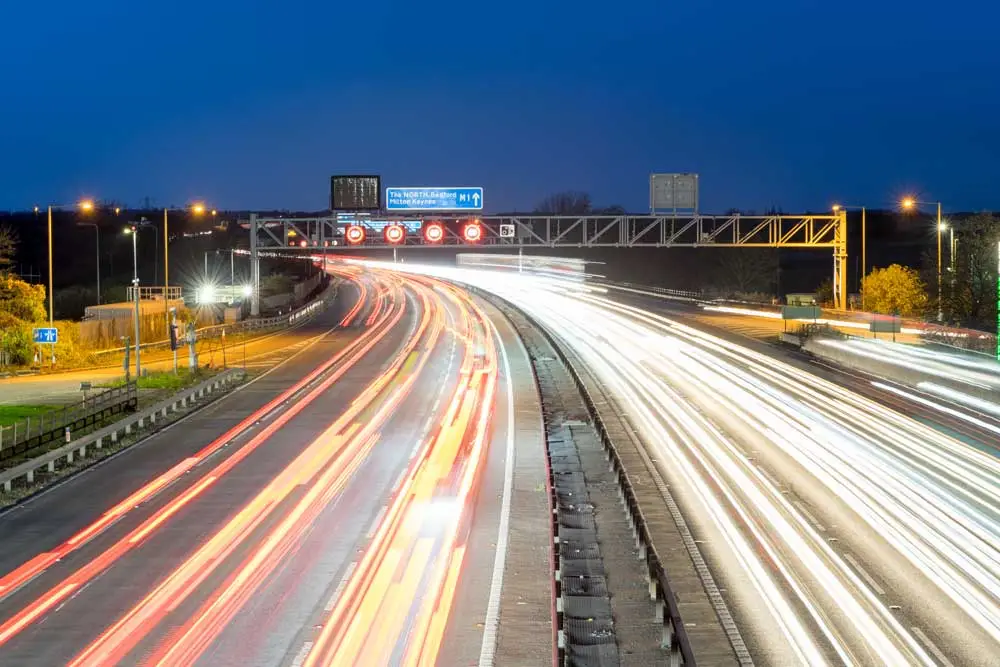
    Smart highways are redefining transportation by integrating Machine-to-Machine (M2M) Data Connect and multi-network IoT connectivity to optimize traffic flow, enhance safety, and improve infrastructure efficiency. By utilizing multiple communication channels—cellular, satellite, LoRaWAN, and fiber optics—these highways ensure reliable, scalable, and adaptive data exchange across critical systems.

    The Power of M2M Data Connect in Smart Highways

    M2M technology enables direct device-to-device communication, allowing infrastructure components such as traffic sensors, smart toll systems, autonomous vehicle networks, and surveillance cameras to interact seamlessly without human intervention.

    Get A Quote

    How Multi-Network IoT Enhances Highway Connectivity

    1. Uninterrupted Traffic Management & Monitoring

    Smart highways rely on real-time IoT data for dynamic traffic optimization. Multi-network IoT SIM cards ensure continuous connectivity between:

    • AI-driven traffic control centers

    • Connected vehicle navigation systems

    • IoT-powered road sensors monitoring congestion

    2. Vehicle-to-Infrastructure (V2I) Communication for Smart Mobility

    M2M and multi-network IoT enable vehicles to communicate directly with road infrastructure, supporting: Real-time route optimization based on congestion levels🚦 Adaptive traffic signals that adjust to vehicle density Emergency response prioritization for faster assistance

    3. Smart Tolling & Contactless Payments

    With M2M-enabled IoT connectivity, toll systems can seamlessly process transactions across multiple networks, enabling: Automated toll payments without manual intervention🔄 Dynamic pricing models based on real-time traffic conditions Remote verification via multi-network SIM cards for uninterrupted service

    4. Predictive Maintenance & Infrastructure Longevity

    Smart highways feature embedded IoT sensors in roads, bridges, and tunnels that transmit health data via M2M connectivity across multiple networks. This enables predictive maintenance, preventing costly infrastructure failures and improving long-term highway efficiency.

    5. AI-Driven Surveillance & Security Optimization

    Smart CCTV and traffic enforcement systems leverage multi-network M2M data transmission to: Detect accidents, road hazards, and violations in real time🔄 Seamlessly switch between networks to prevent surveillance blackouts Transmit alerts instantly to traffic control centers and emergency responders

    6. Edge Computing & Cloud Integration for Smart Highway Data Processing

    Multi-network IoT connectivity supports edge computing solutions, ensuring real-time highway data processing without relying on a single cloud provider. This reduces latency and enhances high-speed decision-making for autonomous vehicle coordination.

    The Future of Connected Highways

    As urban mobility advances, M2M and multi-network IoT will drive innovations such as: Fully autonomous vehicle ecosystems🌍 Decentralized AI-powered traffic coordination Energy-efficient smart roads with dynamic charging stations

    Smart highways are not just roads—they are intelligent transportation hubs, built for a future of seamless mobility, enhanced safety, and optimized urban efficiency.

    Explore specific IoT use cases like satellite connectivity, edge AI, or autonomous vehicle integration get in touch today and request a quote

  • How 5G Connectivity is Helping Smart Cities in 2022

    How 5G Connectivity is Helping Smart Cities in 2022

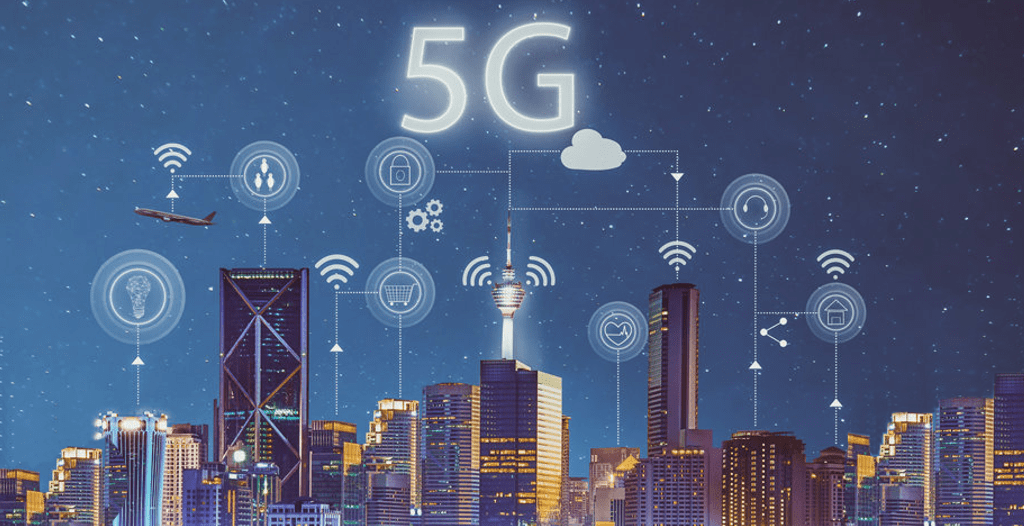
    5G connectivity will soon offer the ability to connect up far more IoT devices than ever before, as a result, 5G will serve as the backbone of smart cities in 2022.   Smart Cities will take information from people, crunching data from sensors on roads, vehicles, buildings to improve the quality of life for all.

    Smart Cities Transportation

    Commuting in Cities is often one of the most stressful parts of our daily lives, causing frustration and long delays. Smart city technology is stepping up to help to fix this problem. Through using sensor and the data they gather on junctions and roads, smart cities can alert is where traffic jams are. As a result, traffic lights can then be tweaked to allow more vehicles through, and extra motorway lanes can be opened up at busy periods.

    Real-time alerts of congestion or accidents can be sent directly to connected vehicles, allowing them to re-route in plenty of time.

    5G connectivity will help bring all these things together, helping smart cities run smoother, reducing congestion and help to lessen the environmental impact of vehicle emissions.

    Greater Connectivity and More Intelligence

    5G can offer the ability to connect up far more devices than ever before, as a result, it will serve as the backbone for the hugely interconnected wireless infrastructure needed in a smart city.

    With the increased capacity we can expect to see more in-depth sensor usage that could be vital for gathering data smart city initiatives such as air quality monitoring or traffic congestion.

    As 5G rolls out across the world and more IoT devices get connected, the potential it offers to smart cities of the future is truly endless.

    Small cell networks broadcast across a certain localized area, allowing for in-depth sensor usage that could be vital for gathering data smart city initiatives such as air quality monitoring or traffic congestion.

    M2M Data Connect Helps to Bring Cities into the Modern Age

    Using the M2M DataConnect IoT Platform tools and connectivity solutions help bring cities into the modern age and make parking a fun, rather than a stressful for drivers. Contact our IoT Experts today to learn more about can help get your Internet of Things Parking Meters connected.

    Get in touch with us today or or complete the below form for a quote.

    [gravityform id=”2″ title=”true” description=”false”]

  • Internet of Things Parking Meters Powered by Innovation

    Internet of Things Parking Meters Powered by Innovation

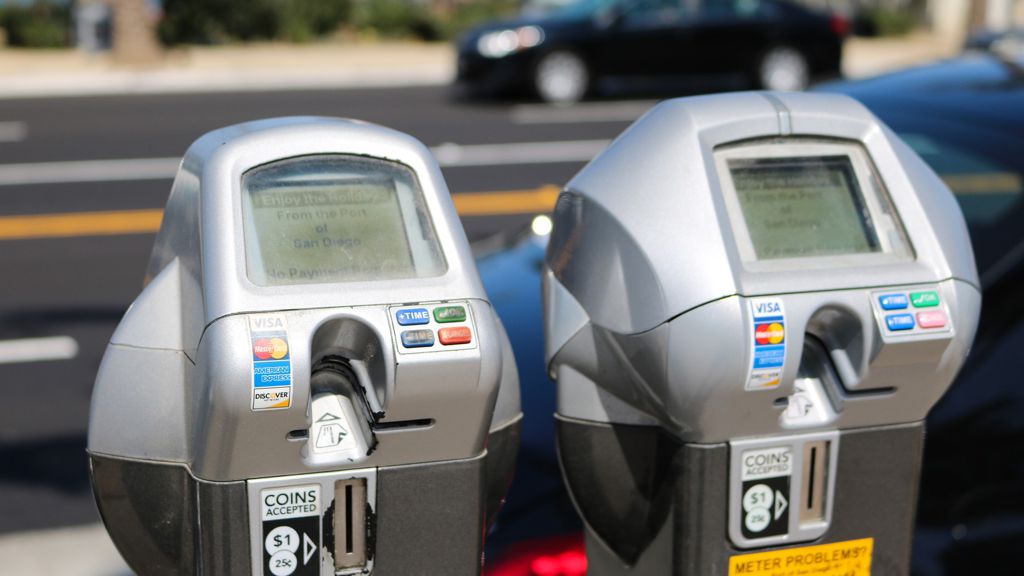
    The Internet of Things provides a viable, cost-effective and lasting solution to help cities manage jam-packed streets, caused by drivers searching for those increasingly rare parking spaces.

    City planners are now look at IoT technology to build smart city parking solutions for their commuters and tourists. Major cities around the world are already installing Internet of Things parking meters on its busiest streets and parking garages.

    Internet of Things Parking Meters Always Connected

    Internet of Things parking meters are monitored 24/7/365, unliked the traditional coin unmonitored as with manual meters. As a result this prevents drivers from feeding the meter for an extended period of time which results in less available parking spaces.

    IoT Makes Parking Spaces Visible

    To help releave traffic congestion caused by drivers searching for parking spaces, driving city planners can install smart parking solutions which are centered around parking space visibility. Drivers can quickly see this information on their mobile APP, in real time, so they can plan their parking maneuver well in advance.

    When IoT Parking Meters are contected onto an IoT platform, you can collect data and feed real-time information to a mobile app that lets drivers and their passengers know which spaces are available at any given moment. In addition, there are Apps available that intergrate with exiting navigation apps to automatically route the driver to the next available space.

    Using the M2M DataConnect IoT Platform tools and connectivity solutions help bring cities into the modern age and make parking a fun, rather than a stressful for drivers. Contact our IoT Experts today to learn more about can help get your Internet of Things Parking Meters connected.

    Get in touch with us today or or complete the below form for a quote.

    [gravityform id=”2″ title=”true” description=”false”]